
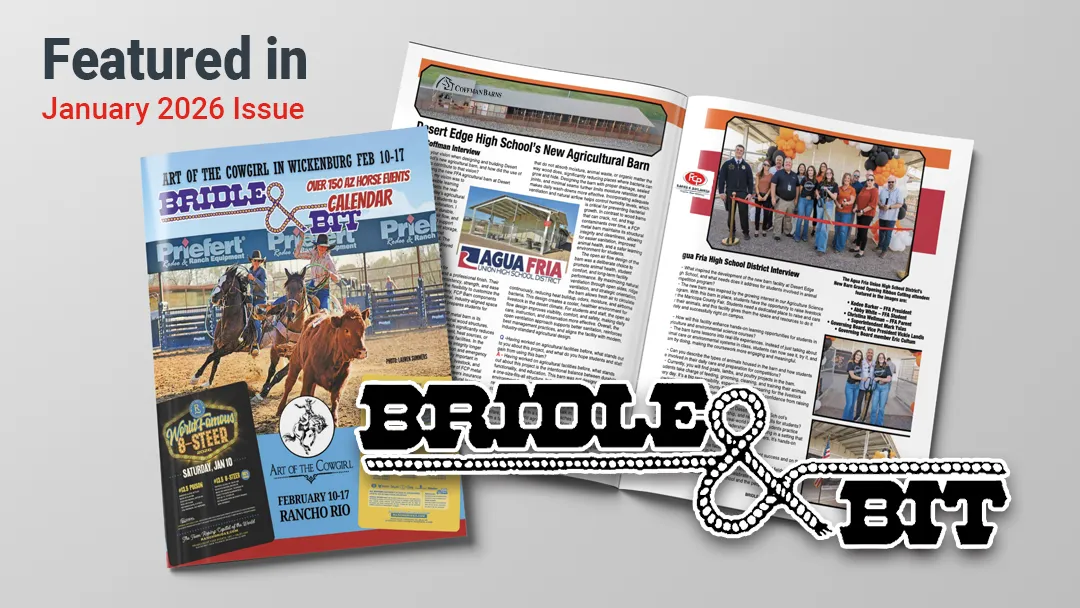
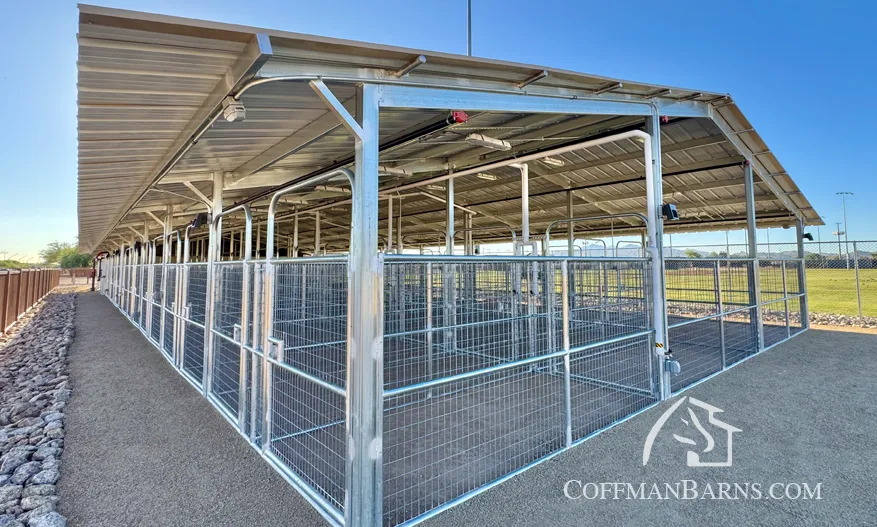
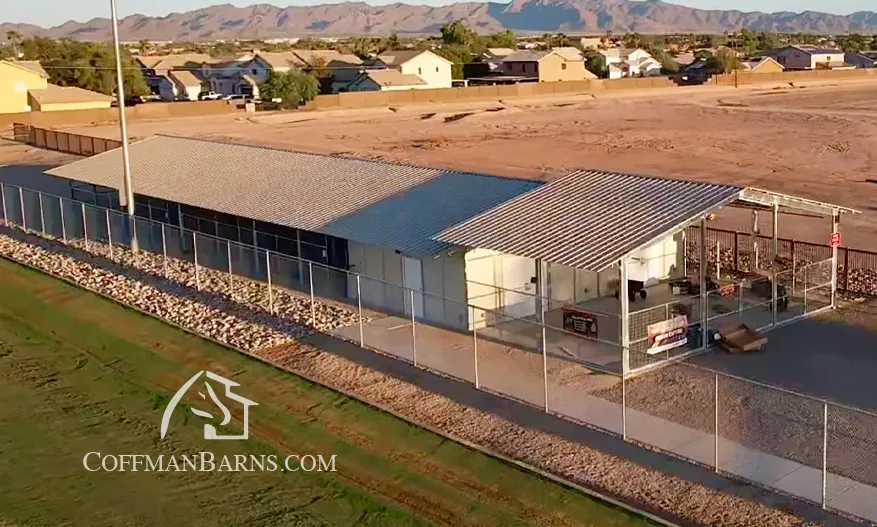
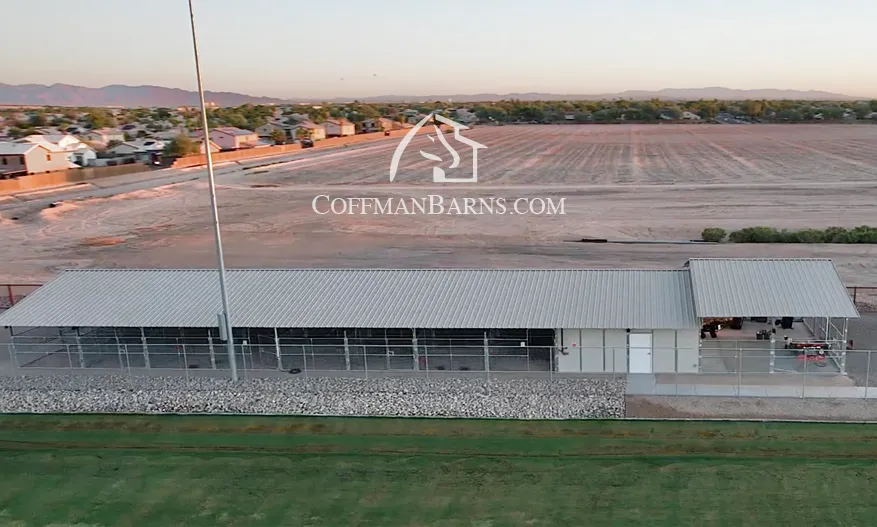
A new state-of-the-art agricultural barn at Desert Edge High School is setting a new standard for educational facilities. Built by FCP authorized dealer Coffman Barns, this project showcases how innovative design and superior materials can create a powerful learning environment. Featured in the January 2026 issue of Bridle & Bit Magazine, the barn is more than just a structure; it’s a launchpad for the next generation of agricultural leaders.
The project was driven by a vision to provide students with a space that mirrors professional industry standards. By combining durability, safety, and functionality, the barn offers a hands-on platform for real-world agricultural education.
A Vision for Modern Agricultural Education
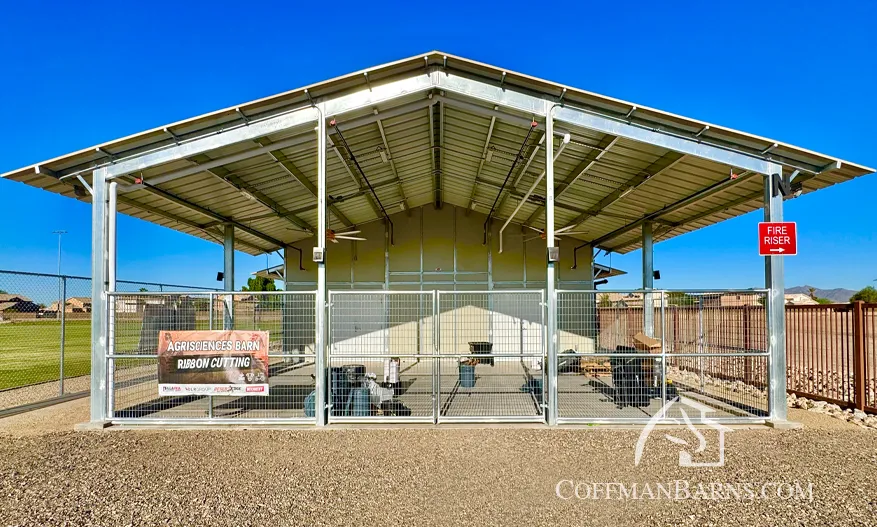
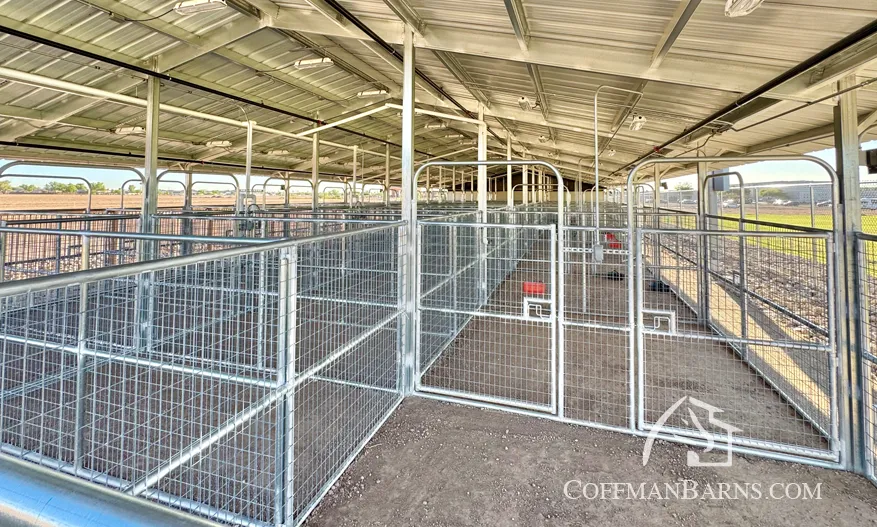
Randy Coffman of Coffman Barns envisioned a modern, flexible learning environment that would inspire students. The goal was to build a facility that was durable, safe, and adaptable enough to support livestock housing, equipment storage, and instruction.
I wanted a facility that was durable, safe, fire resistant, open air flow, and adaptable.
randy coffman
“I wanted a facility that was durable, safe, fire resistant, open air flow, and adaptable,” Coffman explained. The use of FCP Barn components was central to achieving this vision. The modular system allowed for efficient construction and a professional finish, ensuring consistency, strength, and ease of maintenance. This flexibility also means the facility can be expanded to meet future needs, making it a long-term investment in education.
Safety and Durability: The FCP Advantage
When building facilities for schools, safety is the top priority. The Desert Edge High School barn demonstrates a profound commitment to protecting students, staff, and animals.
Unmatched Fire Resistance
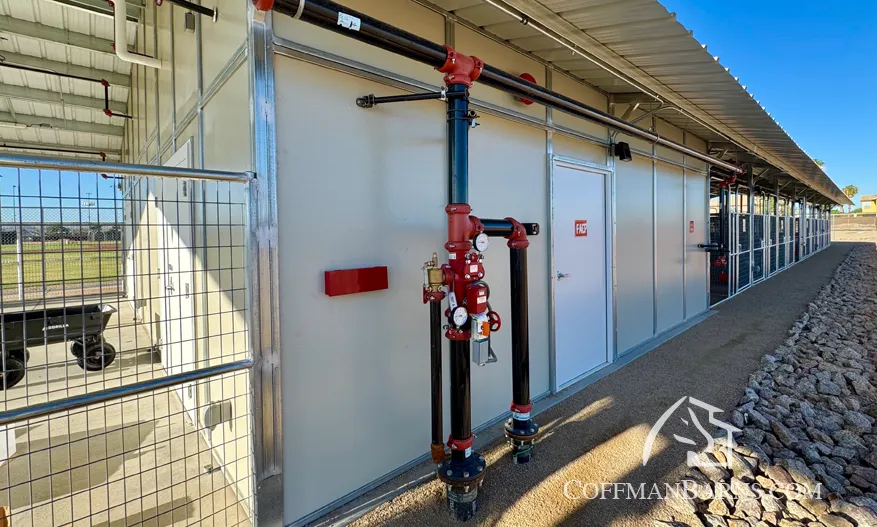
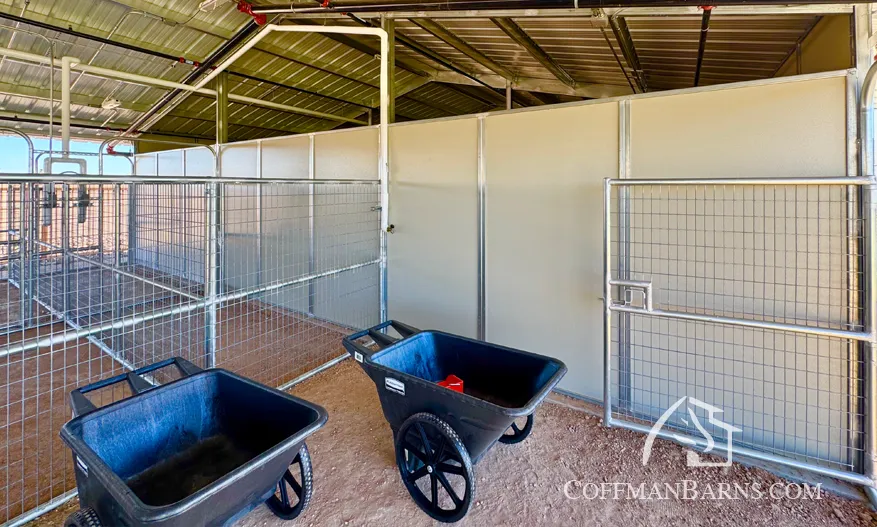
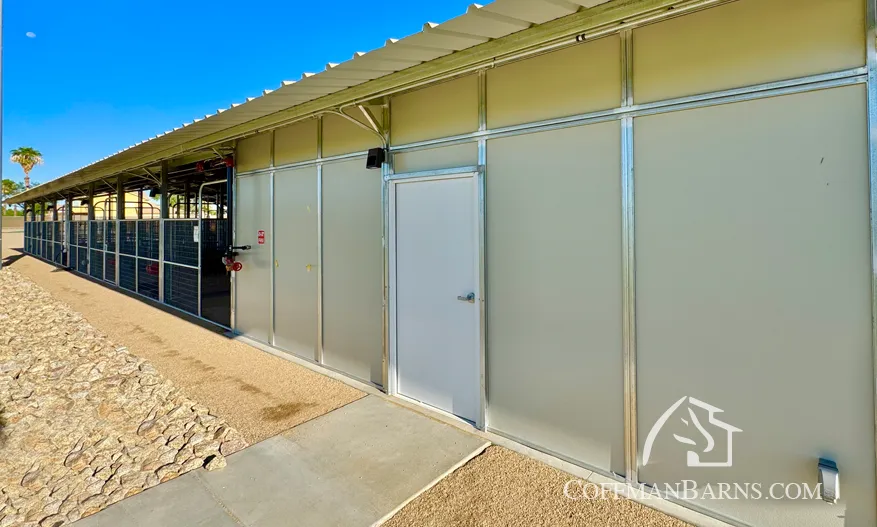
One of the most significant advantages of using FCP components is superior fire resistance. Unlike traditional wood structures, FCP’s metal components are non-combustible. This feature dramatically reduces the risk of fire spread from equipment or stored materials common in agricultural settings.
As Coffman noted, “In the event of a fire, the metal structure maintains its integrity longer than wood, providing valuable time for evacuation and emergency response.” This added layer of safety provides peace of mind and contributes to a more resilient learning environment.
A Healthier Environment by Design
The barn was designed to minimize bacteria and promote animal health. The smooth, non-porous surfaces of FCP components do not absorb moisture or animal waste, which significantly reduces the growth of harmful bacteria. This contrasts sharply with wood, which can crack and trap contaminants over time.
“FCP barn components offer smooth, non-porous surfaces that do not absorb moisture, animal waste, or organic matter the way wood does,” said Coffman. Combined with proper drainage and sealed joints, the design makes daily cleaning more effective, improves animal health, and creates a safer space for students.
Designed for Comfort and Performance
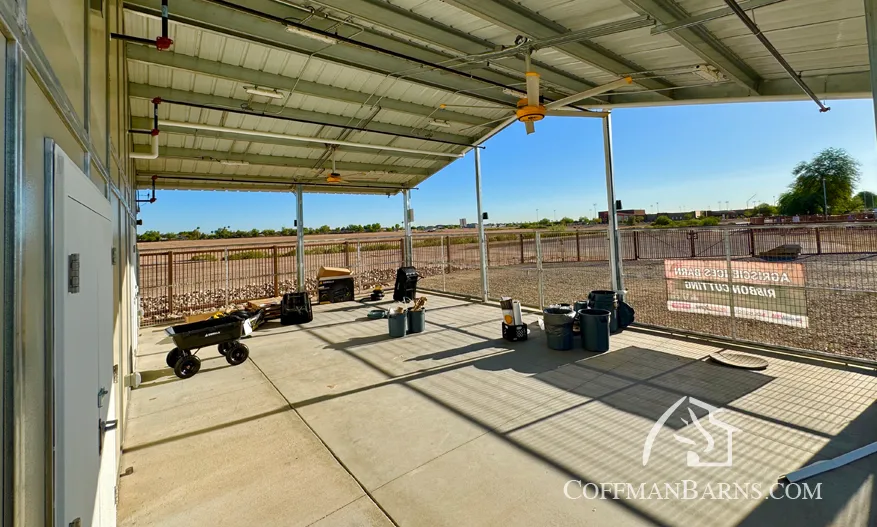
The Arizona climate presents unique challenges for housing livestock. The barn’s open-air flow design was a deliberate choice to ensure animal health and student comfort.
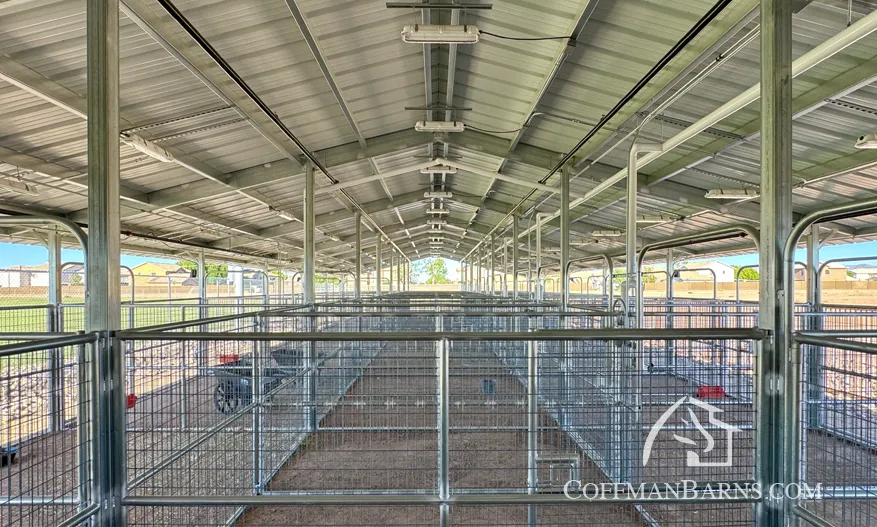
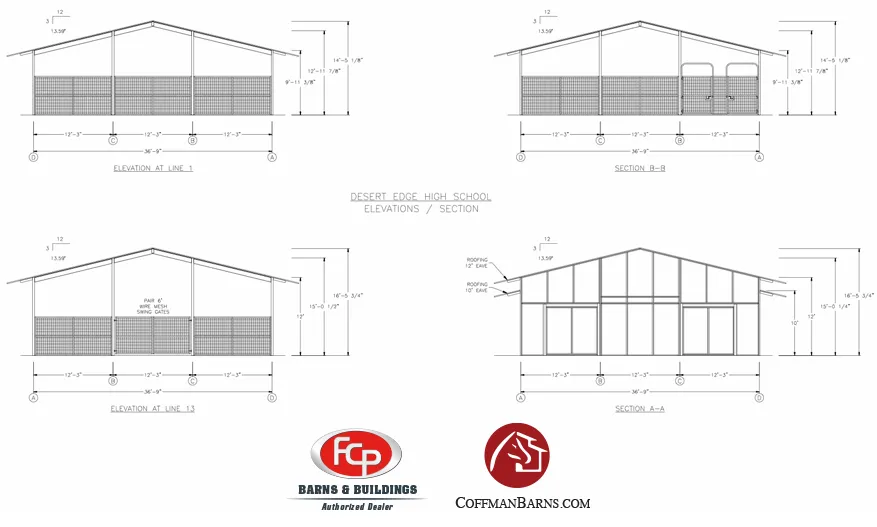
By maximizing natural ventilation through open sides and ridge vents, the barn allows fresh air to circulate continuously. This smart design reduces heat buildup, odors, and airborne pathogens, creating a cooler and healthier environment for livestock. For students and staff, the open layout improves comfort and visibility, making daily instruction and animal care more effective.
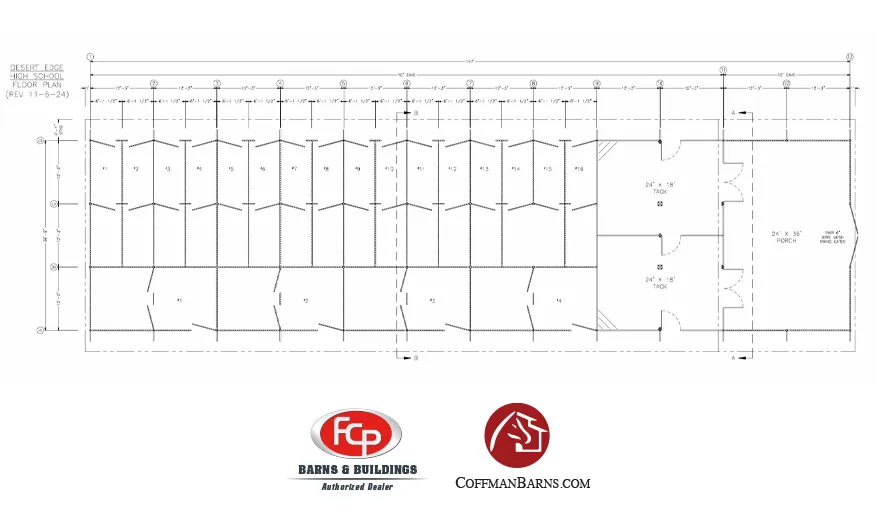
A Hands-On Hub for Student Success
The new barn was inspired by a growing interest in the school’s Agriculture Science program. According to the Agua Fria High School District, the facility gives students a dedicated, on-campus space to raise and care for their animals safely and successfully.
The barn currently houses goats, lambs, and poultry projects. Students are responsible for every aspect of their animals’ daily care, from feeding and grooming to training for competitions like the Maricopa County Fair. This responsibility teaches valuable life skills. “Students practice time management, record keeping, and leadership while working in a setting that mirrors what they’d see in agriculture or animal science careers,” a district representative shared.
The facility transforms abstract lessons into tangible experiences. Instead of just reading about animal care, students are living it. This hands-on approach makes learning more engaging and prepares them for life after high school.
A Lasting Impact on the Community
This project stands out for its intentional balance of durability, functionality, and education. It elevates the standard for school farm facilities, reinforcing professional best practices from the moment students step inside.
Randy Coffman hopes students gain “hands-on experience in a space that teaches responsibility, animal welfare, and real-world agricultural practices.” For the staff, the barn is a safe and easy-to-maintain facility that can adapt to evolving program needs.
The Agua Fria High School District believes the barn will inspire more students to explore agricultural fields. It also opens the door for new community events and partnerships, strengthening the connection between the school and the people it serves. The Desert Edge High School agricultural barn is a powerful example of how thoughtful design and quality construction can foster pride, confidence, and career readiness for years to come.
To learn more about the amazing work being done at Desert Edge High School, or to get involved and become a supporter of the agricultural program, please visit their webpage at https://sites.google.com/a/aguafria.org/desert-edge-hs-agriculture-education-ffa/de-ffa-alumni-supporters